
Horror Tale 1: Kidnapper
Euphoria Horror GamesAdventure
4.71.07K Reviews
- Version
- 1.6.2
- Installs
- 5.00M
- Age Rating
- Everyone 10+
Screenshots
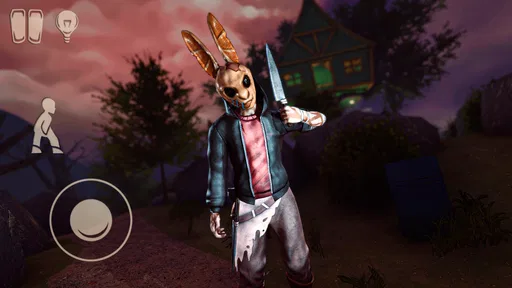
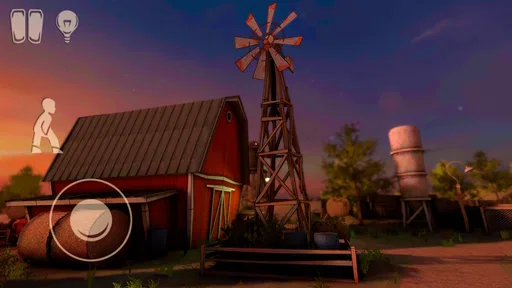
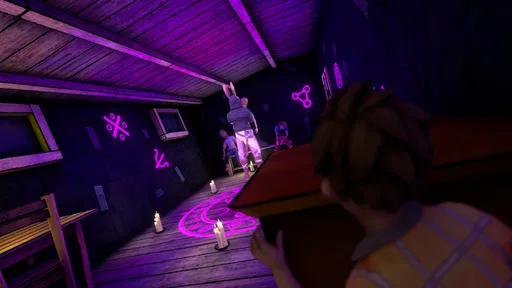
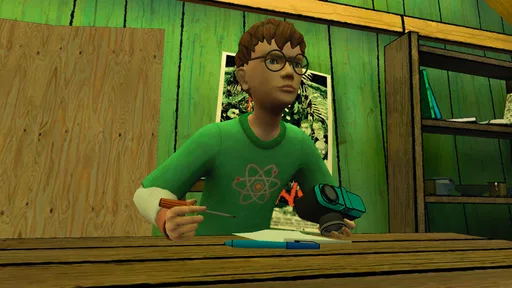
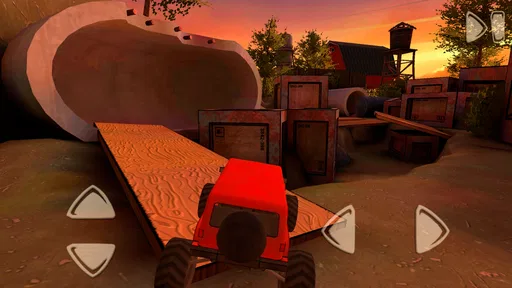
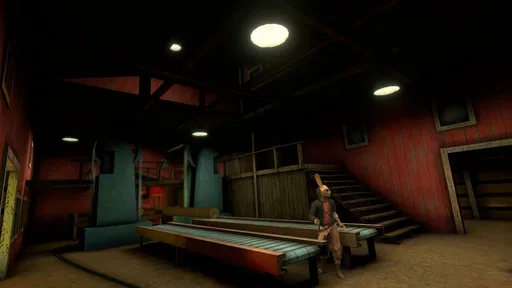
Our Review of Horror Tale 1: Kidnapper
 Analysis by Appyee
I went into Horror Tale 1: Kidnapper expecting a short horror distraction, but it quickly showed that its strongest quality is the way it turns a simple rescue mystery into a sequence of uneasy decisions. This is an adventure game from Euphoria Horror Games, built around Tom and his neighbours, with a cold, threatening atmosphere that makes ordinary exploration feel risky. It is free to start, aimed at players aged 10 and over, and it has attracted over five million installs with a 4.7 average from around seventy-three thousand ratings.
That popularity makes sense, although I would not describe it as a perfect fit for every horror fan. The game leans more toward accessible adventure horror than relentless terror. I found myself paying attention to routes, objects, hiding opportunities, and timing rather than simply reacting to jump scares. The result is a game that works well when I want a story-led challenge I can play in short sessions, but it may feel too restrained for someone looking for a highly punishing survival horror experience.
How the first objectives pull you into the mystery
The opening works because it gives me a clear reason to move before asking me to understand everything. Tom and the people around him create an immediate sense that something is wrong, while the icy setting adds a visual and emotional identity of its own. I am not wandering through a generic dark building with no context; I am trying to make sense of a situation that feels connected to a small community.
That early focus is important on a mobile screen. Horror games can lose their impact when the player is buried under instructions, menus, or complicated systems. Here, the initial goals are easier to follow because the environment itself carries much of the tension. A suspicious area, a blocked route, or an object that suddenly becomes useful can be enough to make me reconsider where I should go next.
I especially liked the contrast between the familiar and the threatening. Neighbours and everyday surroundings give the adventure a grounded starting point, while the kidnapper theme supplies the danger. This combination makes exploration more personal than simply entering a haunted location. I wanted to understand what had happened, not just reach the next room.
My practical advice is to avoid rushing through the first areas. Look at the surroundings and remember where you have seen unusual details. The game rewards attention more than frantic movement, and that is easy to miss if you treat it like a straightforward action title. When I slowed down, I made fewer unnecessary trips and had a better sense of which discoveries mattered.
The early objectives also establish the game’s rhythm: investigate, notice a problem, search for a way forward, and deal with the risk of being caught or delayed. That loop is familiar, but it suits this kind of adventure. It gives the player a purpose without removing the uncertainty that makes horror effective.
Progress is communicated through discoveries rather than spectacle
One of the better choices in the game is that progress feels tied to understanding the environment. I did not need a constant stream of grand rewards to feel that I was advancing. Finding a useful object, learning how an area connects to another, or realizing why a previous location mattered could all serve as progress signals.
This approach makes the game more satisfying for players who enjoy observation. The reward is often the moment when separate details begin to fit together. That can be more memorable than a large visual effect, especially in a mystery built around a missing child and a threatening pursuer.
At the same time, this style can create friction. If I overlooked an important clue, the next step was not always obvious from my immediate perspective. I sometimes had to retrace my path and test earlier locations again. That is not necessarily a flaw in a puzzle adventure, but it means the experience is less comfortable for players who prefer constant direction.
I found a simple workflow helpful: whenever I reached a locked or blocked point, I mentally separated the problem into three questions. What have I already seen that could interact with this obstacle? Which nearby areas have not been checked carefully? And did the game recently reveal a new piece of information that changes the meaning of an old location? Thinking this way reduced random searching and made the investigation feel deliberate.
The game’s progress signals are therefore subtle but meaningful. They are strongest when I notice a change in my understanding, rather than when the game simply announces that I have completed a task. Players who enjoy connecting clues will appreciate that. Those who want a highly explicit checklist may find the pacing less direct.
The challenge curve favors caution over speed
The difficulty comes less from complicated controls and more from managing uncertainty. I had to decide when to explore further, when to retreat, and when a suspicious area was worth the risk. That creates a useful kind of pressure because the safest-looking choice is not always the one that moves the story forward.
For me, the most effective moments happened when I knew what I wanted to do but was not completely sure whether the route was safe. The game could make a familiar space feel different after I had learned more about the threat. This is where the cold atmosphere and the kidnapping premise work together: the environment is not just decoration, it influences how I judge every movement.
Still, the difficulty is not uniformly harsh. The game is approachable enough for players who are new to mobile horror, and its age rating of Everyone 10+ reflects that it is not designed as an extreme adult horror experience. I would recommend it to a younger player who enjoys suspense only if they are comfortable with pursuit and kidnapping themes, but I would not present it as a gentle adventure for children who dislike being chased or watched.
Players who struggle should resist the temptation to repeat the same action immediately after failing. Instead, change one variable: approach from another direction, inspect a different object, or wait long enough to understand the danger. In my experience, frustration usually came from treating an obstacle as a reflex challenge when it was really asking for better observation.
The controls and presentation are also better suited to patient play than rapid combat. Anyone expecting the constant action of an arcade horror game may find the slower investigation disappointing. On the other hand, that restraint allows the atmosphere to build. I had more time to anticipate trouble, which often made the eventual danger feel more effective than a sudden sequence of unrelated scares.
What keeps the adventure moving after the opening
The game sustains interest through a combination of unanswered questions and gradually clearer objectives. I wanted to know what was happening to the neighbours, how the threat connected to the surrounding area, and what each new discovery meant for Tom’s situation. That curiosity is the main retention force, rather than a large collection of unrelated activities.
This matters because horror adventures can lose momentum when the player’s only goal is to reach the next scripted scene. Here, the investigation gives the middle portion a reason to exist. Even when I was revisiting a location, I was not necessarily repeating the same experience; I was returning with new knowledge and a different purpose.
There is a trade-off, though. The same mystery-driven structure that encourages me to continue can also make stopping feel awkward. If I ended a session without remembering what I had been searching for, restarting later required a short period of orientation. I recommend finishing a session after a clear discovery or writing down the immediate objective in a note. That small habit makes the game much easier to resume.
The pacing is best when the game alternates investigation with danger. Too much searching would make the adventure feel like a scavenger hunt, while constant pursuit would make the story feel exhausting. I found the balance generally effective, although players who prefer a very fast campaign may still consider some stretches slow.
Another useful point is that the game’s free entry makes it easy to test this rhythm without committing money first. In-app purchases are listed at $1.49 per item, so I would approach them as optional spending rather than assume they are necessary for enjoying the core adventure. If you are sensitive to purchases in free games, check the purchase prompts carefully and decide in advance whether you want to spend anything.
Everyday play: where it fits and where it does not
I found this game particularly suitable for a quiet evening when I wanted something atmospheric but did not have time for a long console session. A short mobile play period can still produce a useful goal: investigate one area, solve one obstacle, or reach one meaningful discovery. That makes it easier to fit around a commute, a break, or a few minutes before bed, although players who are easily affected by suspense may prefer not to play when they need to relax.
It also works well for someone who enjoys discussing theories with friends. The story gives enough mystery to invite guesses, and comparing interpretations can make the slower sections more enjoyable. I would not choose it for a group looking for competitive multiplayer entertainment, nor for someone who wants a sandbox with many independent activities. Its appeal is focused: atmospheric exploration, danger, and a continuing mystery.
Compared with a typical action-heavy horror game, this adventure asks for more patience and less button-mashing. Compared with a pure puzzle game, it adds uncertainty and the emotional pressure of a pursuer. That middle position is its identity. If you usually enjoy narrative escape games but want a stronger horror mood, it is a natural choice. If you prefer open-world freedom, deep combat, or elaborate character-building, another category will serve you better.
The mobile format does introduce some practical limitations. Touch controls can make careful movement feel less precise than playing with a physical controller, especially when tension encourages quick reactions. I also think the visual mood is more effective on a larger, brighter screen than on a very small phone display. Headphones can help with atmosphere, but I would keep the volume at a comfortable level because the game’s suspense depends on noticing what is happening around you, not on overwhelming sound.
Who should play, and who should skip it
I would recommend it to players who want a free adventure with a clear horror identity, enjoy searching for clues, and are comfortable learning through the environment. It is also a good entry point for someone curious about horror games but not ready for the intensity or complexity of a full survival horror title.
I would be more cautious about recommending it to players who dislike backtracking. Returning to earlier places is part of how the investigation develops, and that can feel repetitive if you want every area to be used only once. I would also skip it if your priority is combat depth, competitive play, or a large range of character upgrades. The game’s satisfaction comes from solving the situation, not from building a powerful avatar.
Parents should consider the content beyond the age label. Although the game is rated for Everyone 10+, its kidnapping premise and suspenseful pursuit may still be uncomfortable for sensitive players. I would let the individual player’s tolerance for frightening situations guide the decision rather than relying on the age rating alone.
Version, access, and the long-term value
The current version is 1.6.2, and the game supports devices running Android 7.0 or later. That makes it accessible to many Android users, though the actual comfort of play will still depend on screen size, performance, and control responsiveness on a particular device. I would update before starting a serious session so the game is running in its current form.
Because it is free, the main question is not whether the initial download is worth the price, but whether the pacing matches your taste. The in-app purchase structure may be acceptable for players who want to support the game or unlock individual extras, while people who prefer a single upfront purchase may find the model less appealing. I would play the opening first and only spend after deciding that the atmosphere and exploration are keeping me interested.
The install figure, above five million, suggests that the game has reached a broad mobile audience, and the 1.1 thousand written reviews add more evidence that players are engaging with it beyond a quick download. Those figures do not replace personal taste, but they do make it easier to treat the game as an established adventure rather than an obscure experiment.
My verdict on the progression and pacing
Horror Tale 1: Kidnapper succeeds because its progression is built around curiosity. The goals are understandable without turning the adventure into a checklist, discoveries provide a sense of movement, and the difficulty mostly asks me to observe before acting. The strongest retention comes from wanting to understand the mystery and see how the danger develops, not from a complicated unlock system or endless reward cycle.
Its weaknesses are equally clear. Backtracking can slow the middle, touch controls may not satisfy players who demand precision, and the horror is more accessible than extreme. The free-to-play structure also means I would pay attention to purchase prompts rather than assume every player will prefer that model.
Overall, I think this is a worthwhile recommendation for fans of mobile adventure horror who value atmosphere, environmental clues, and a steady mystery. I would start it when I have enough time to remember what I am investigating, keep a note if I stop between discoveries, and explore carefully instead of rushing. If that sounds enjoyable, Euphoria Horror Games has made a focused and approachable experience that earns its place among mobile horror adventures.
Verdict
Strengths of Horror Tale 1: Kidnapper
- Atmospheric visuals create a tense, unsettling horror experience.
- Puzzles are varied enough to keep exploration engaging.
- The story unfolds through environmental clues and discoveries.
- Multiple difficulty options suit both casual and experienced players.
- The compact format makes it easy to play in short sessions.
Limitations of Horror Tale 1: Kidnapper
- Some puzzles may feel unclear without trial and error.
- Enemy encounters can become repetitive after extended play.
- The dark setting may make certain objects difficult to spot.
- Controls can feel less responsive during tense chase sequences.
- The game may be too short for players seeking a long campaign.
Other Releases by Euphoria Horror Games
View All
Horror Tale 2: Samantha
Adventure4.6

Mist: Offline Zombie Survival
Role Playing4.4
Similar Picks in This Category
View All
Roblox
Roblox Corporation4.2

Pokémon GO
Niantic, Inc.3.5

Ninja warrior: legend of adven
TOH Games4.6

Ninja Arashi
Black Panther4.6

Eyes - The Horror Game
Fearless Games sp. j.4.5

Critical Action:Gun Strike Ops
FPS Shooter & Action Game4.3
Frequently Asked Questions
What is Horror Tale 1: Kidnapper about?
Horror Tale 1: Kidnapper is a story-driven horror adventure in which you investigate the disappearance of children in a mysterious neighborhood. You explore locations, search for clues, solve puzzles, and try to avoid the kidnapper while uncovering the events behind the case. The game combines suspense, stealth, exploration, and cinematic storytelling rather than focusing only on combat.
Is Horror Tale 1: Kidnapper suitable for children?
Despite its cartoon-inspired visual style, Horror Tale 1: Kidnapper is designed as a scary suspense game and may not be suitable for young children. It includes frightening scenes, chase sequences, kidnapping-related themes, threatening characters, and an unsettling atmosphere. Parents should check the official age rating and consider the individual player’s sensitivity to horror before allowing children to download or play it.
How does the gameplay work in Horror Tale 1: Kidnapper?
Gameplay centers on exploring different areas, collecting useful objects, interacting with the environment, and completing puzzles to progress through the story. You must also pay attention to enemy behavior and use stealth when necessary, since being discovered can interrupt your investigation. The experience rewards careful observation and experimentation, so players who enjoy narrative puzzles and hide-and-seek horror will likely find it engaging.
Does Horror Tale 1: Kidnapper require an internet connection?
The game is generally presented as a single-player adventure that can be played without constant online interaction, although the exact requirements may depend on the mobile version and how it was downloaded. An internet connection may still be needed for the initial installation, updates, advertisements, cloud features, or optional purchases. Check the store listing for your Android or iOS device before downloading.
Is Horror Tale 1: Kidnapper free to download, and does it include ads or purchases?
Availability and pricing can vary by platform, region, and version. Horror Tale 1: Kidnapper may be offered as a free download supported by advertisements or optional in-app purchases, while some editions or features can differ between Android and iOS. Before installing, review the current store page for the listed price, advertising details, purchase options, permissions, and any restrictions that could affect the playing experience.
Play our best games!


